DeFelsko manufactures a hand-held, non-destructive instrument that is ideal for monitoring environmental conditions that are critical when harvesting citrus fruits.
Measurement Challenges
The primary challenge is to establish a simple means of monitoring surface temperature and climatic conditions that are acceptable for the harvesting of citrus fruit. The ability to log results may also be important to facilitate the optimization of environmental conditions during and after harvesting.
Climatic Monitoring Solution
The multi-purpose PosiTector Dew Point Meter (DPM) is ideal for continuous monitoring of air temperature, surface temperature, and percent relative humidity. By placing the instrument against the surface of citrus fruit to be harvested, the Dew Point Meter can identify if the fruit is in an optimum temperature range for picking. The DPM also has the built-in software capability to calculate the dew point temperature and the difference between the surface and dew point temperatures, ideal features for ensuring citrus fruit is not harvested when there is a high probability of surface moisture.
Figure 1 illustrates a sample LCD display provided by the PosiTector DPM. It shows ambient air temperature (Ta), surface temperature (Ts), relative humidity (RH), dew point temperature (Td), and surface temperature minus dew point temperature, which is a critical indicator of the probability of condensation forming. In fact, if surface temperature minus dew point temperature reaches less than 3ºC (5ºF), the contrast of the display reverses and the instrument audibly alarms. Move your mouse over the below image for a visual alarm simulation.
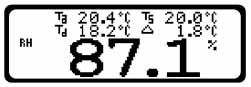
Figure 1. Hover mouse over image for alarm simulation
At any time, all five of the climatic conditions being monitored and calculated, plus the date and time, can also be stored in memory with the simple press of a button. The PosiTector DPM also has a unique Auto Logging feature which automatically records datasets containing all 5 climatic conditions at predefined time intervals. This is useful for maintaining a complete record of environmental conditions during and after harvesting.
The design of the PosiTector DPM protects it from microclimate changes caused by factors such as the operators hand or the effects of direct sunlight, while still being sensitive enough to identify small changes in temperature in shaded or exposed areas. The length of the probe cable makes most areas easy to access.
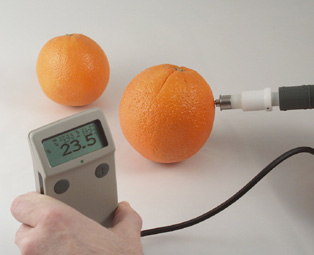
Figure 2 - Measuring on Surface of Fruit
Background on Environmental Effects during Harvesting of Citrus Fruits
What is the Application?
Citrus Fruit is often shipped to distant markets for sale. In order to maximize the life expectancy of fruit during storage, transportation, and while on the shelf awaiting sale, it is critical to retard any conditions that can contribute to spoilage.
Why Measure?
It is a common misconception that citrus fruit can withstand rough handling. While more durable than many other fruits, citrus fruits do bruise easily. Such bruises may take several days to become evident, and are thus not caught prior to shipment. Citrus fruits such as grapefruits, oranges and lemons, all have natural oils in their rinds which retard spoilage after harvesting. Oleocellosis, which directly translates to "oil cell death", is a common citrus fruit handling problem that can occur up to several days after harvesting. Oleocellosis results from physical damage to the fruit, typically from squeezing during harvesting. When the epidermal oil glands in the peel are ruptured, the natural oils are released, burning the surrounding cells (and even adjacent fruit). This burning results in spots on the fruit referred to as oil spotting. The blemishes degrade the appearance and subsequently the market value of the fruit.
Turgid (swollen) fruits are most likely to develop oleocellosis as their oil glands are more easily ruptured. Fruit turgidity is most likely to occur in wet conditions such as in the early morning when dew forms. It is thus ideal to avoid harvesting under environmental conditions that are subject to dew forming. It is for this reason that while growers appreciate moisture during the growing season, they will avoid harvesting for weeks if necessary to avoid rain.
Oleocellosis is also a potential problem when picking in cold weather. To avoid rind injury, two common rules of thumb are not to pick at temperatures below 12*C or above 70% relative humidity. Citrus fruit also has a tendency to wilt in hot temperatures, thus when picking in the summer it may be necessary to irrigate and avoid picking during warmer times of the day. The PosiTector DPM has been used by fruit growers to determine the surface temperature of the fruit as well as the dew point temperature to avoid adverse conditions.
Degreening (also referred to as gassing, sweating, or curing) is a process to remove all of the green color from otherwise mature fruit. Typical environmental conditions for the degreening process are storage between 82 and 85*F, 92 to 95% relative humidity for 2 to 3 days. The PosiTector DPM has the ability to monitor, as well as to periodically sample and record conditions to ensure they are maintained.
Dew Point Temperature - Dew Point is the temperature at which moisture will begin to form on a surface. The dew point temperature is a function of air temperature and the relative humidity. It is the temperature to which a volume of air must be cooled in order to reach saturation.
Where is the Market?
While potential post harvesting markets exist for the storage, degreening and transportation of citrus fruits, current applications are limited to the actual harvesting of citrus fruits. As harvesting research such as that being performed at the Texas A&M Kingsville Citrus Center by a group including Dr. Mani Skaria becomes more commonly accepted, the market should grow to include Citrus Growers and Harvesters everywhere.


